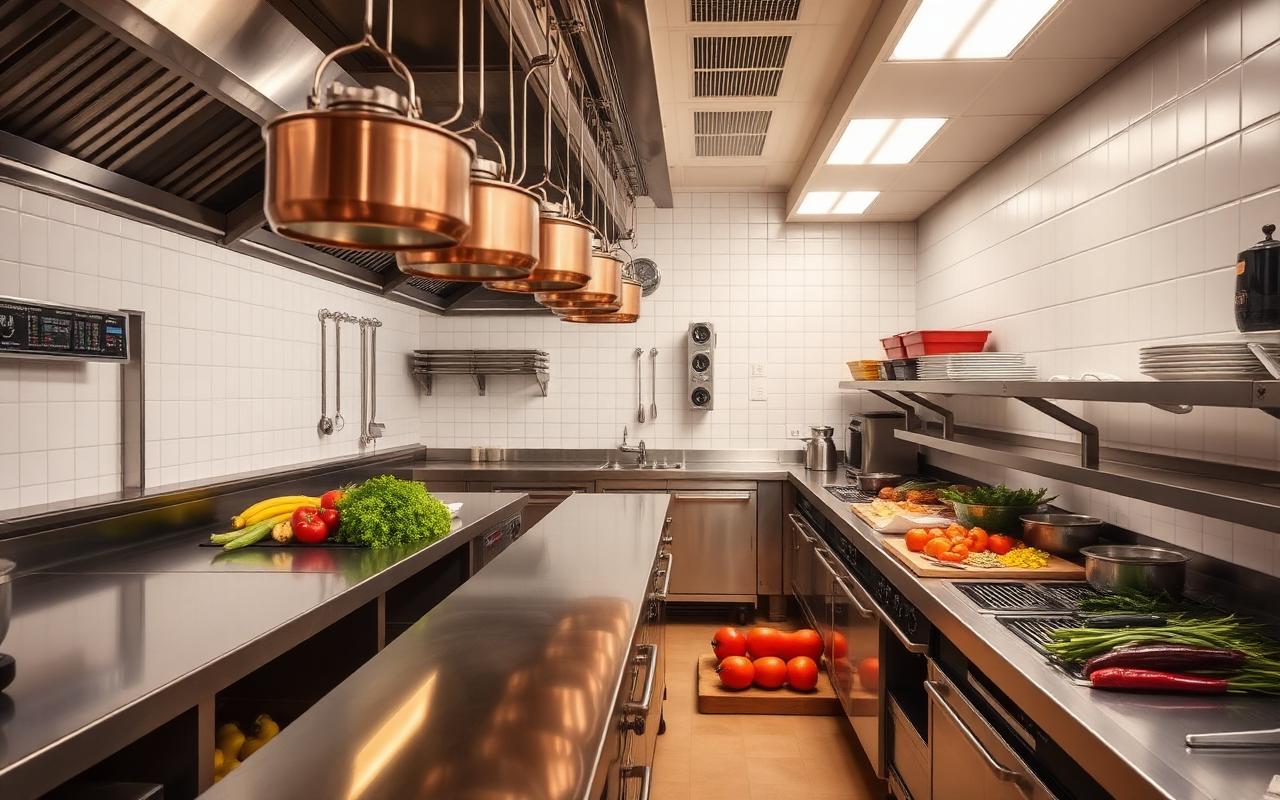
Learning Kitchen
Hands-on culinary learning connected to nutrition, math, and science.
A Free Public Charter School in Central-East Midvale, Utah (84047)
Coming to Midvale, Utah in August 2028
Designed to help students learn how to learn.
THE FRAMEWORK
Five commitments that shape every PFAL classroom.
Explore the framework in action
01
Students work on literacy in every class — reading, writing, spelling, and understanding text. Literacy is the core of our teaching: we work on it all the time, with every student, wherever they are, to bring them to grade level so they can learn better, faster, and more.
02
Equity means every student, including students with IEPs, has access to high expectations, meaningful support, and more than one way to learn and show what they know.
03
Students learn how to learn — and own their progress. They also have a voice with their teaching team in choosing which environment (Pathway 1 or Pathway 2) best fits them for each unit of study.
04
Small cohorts and continuity across years — Special Education teachers loop with their students through all of elementary, then all of middle school, and then all of high school, so families build a lasting relationship with the same trusted teacher at each level.
05
Instruction informed by how the brain learns, grounded in research-based teaching methods including Project- and Community-Based Learning (PCBL), Universal Design for Learning (UDL), and mastery-based grading.
Our shared values
These are the values our teachers, staff, students, and families can count on.
We believe great teaching begins with respect, consistency, and the belief that every student is capable of learning at high levels.
LEARNING ACCESS
Students access learning differently. Rigorous instruction can exist through multiple environments — PFAL expands learning access without lowering expectations.
“Different environments. Shared standards.”
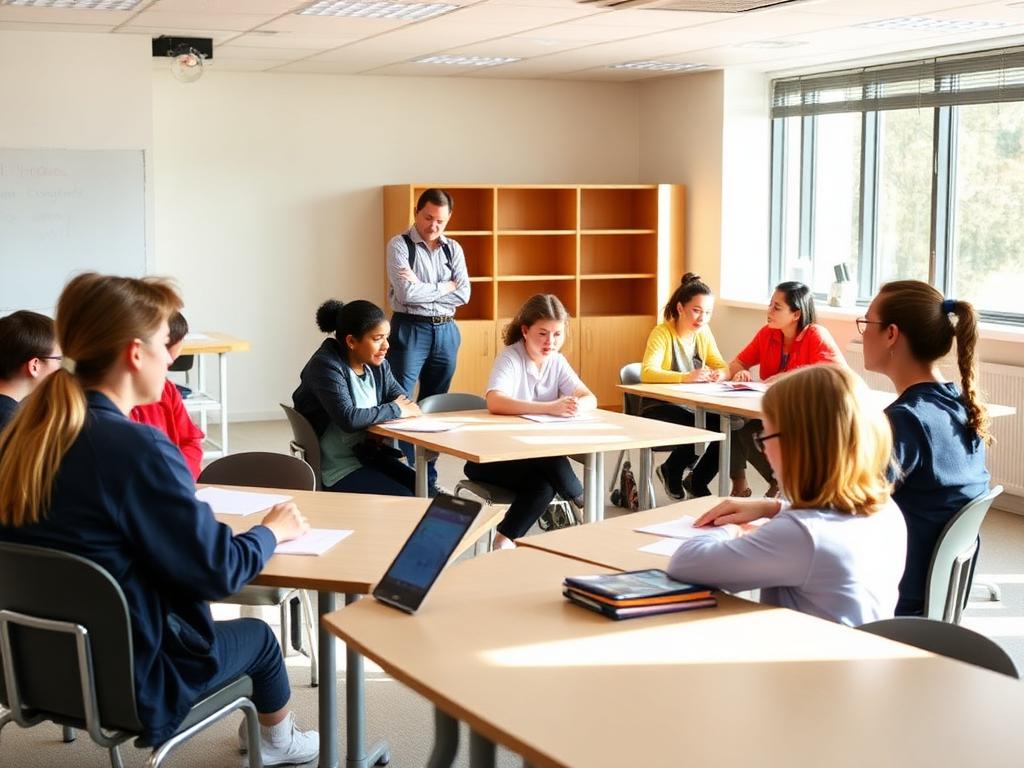
PATHWAYS
Pathway 1
Structured, teacher-guided instruction: direct teaching, guided practice, feedback, and standards alignment.
Pathway 2
Project-based lessons curated by teachers to teach the same skills and standards in a different way.
MASTERY + ACCESS
Mastery learning with formative assessment cycles, AP and CTE pathways, and collaborative planning systems.
Predictable rhythms for instruction, practice, and feedback.
Students move forward as they demonstrate understanding.
Coursework that prepares students for college-level rigor.
Applied, career-connected pathways alongside academics.
Frequent, targeted feedback that guides revision and deepens understanding before final assessment.
Academic standards anchored to topics of genuine student curiosity, turning interest into a pathway to mastery.

WHY SMALL MATTERS
Smaller cohorts, stronger relationships, quicker responsiveness, and continuity across years build a community-centered school.
PROGRAMS
COMMUNITY
PFAL serves families whose students need a different learning environment — for any reason.
Academic, sensory, social, emotional, or simply because the current setting is not working.
Students should not have to fail first to get what they need.
PFAL is built for capable learners who need more flexibility, consistency, and care.
Add your family to our support list, subscribe for updates, or join our community supporters.
Philip Fox Academy of LEARNing makes rigorous learning more accessible by intentionally designing classrooms for clarity, flexibility, mastery, and belonging.
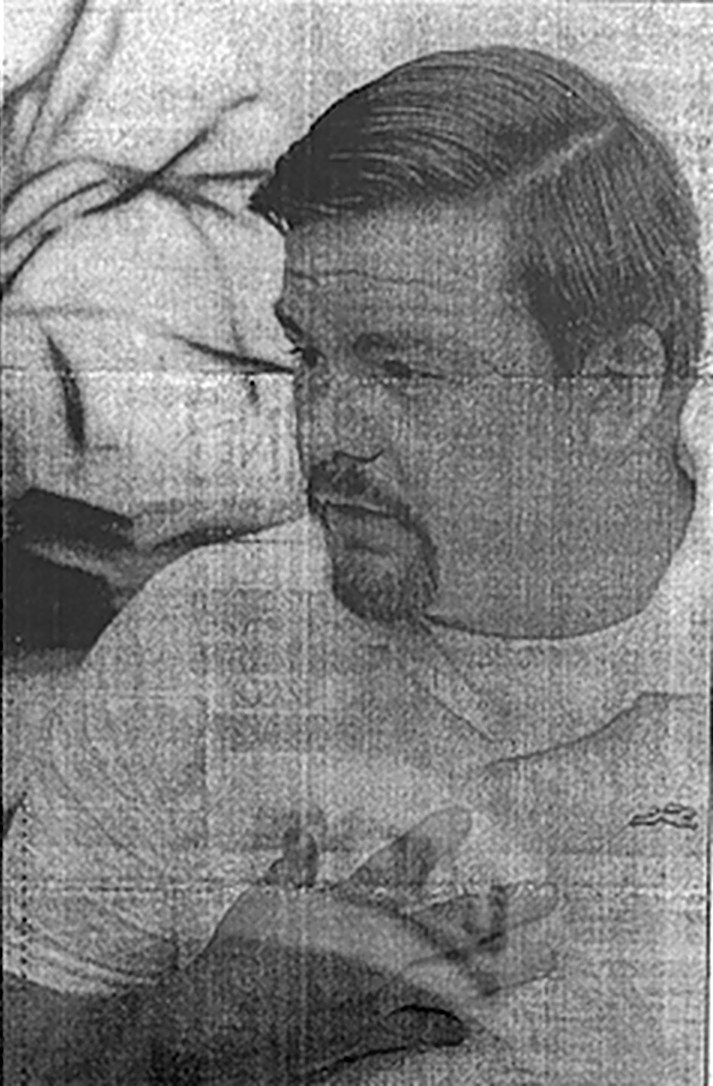
WHY WE CARRY HIS NAME
Philip Fox was a lighthouse in our community — known for teaching the kids no one else wanted to teach. He guided lost students out of their haze, and supported families and teachers in authentic ways. He knew the ropes, and he showed them to everyone: no secrets, no unspoken hierarchy — just compassion and laughter.
He worked in education for 25 years. We lost him in 2001, but we didn’t lose what he taught us. There are thousands of kids in the world who know love because of him, who know how to trust because of him, who know how to learn because of him, who know themselves because of him. And with those three things — anything is possible.
This school carries his name, and his example, forward.
We are not trying to create a different kind of student. We are creating different kinds of learning environments so more students can succeed.
Two learning environments. Shared standards. More pathways to mastery.

Students are not all alike, and learning environments should not be either.
PFAL was designed to provide different rigorous learning environments aligned to the same academic standards, allowing more students to engage in learning, demonstrate mastery, and build confidence.
Learning environments that do not work well for every student
Too few opportunities for movement, collaboration, or application
Fast pacing with limited individualized feedback
Limited chances to improve work after assessment
Classroom conditions that overlook sensory processing differences and how they shape a student's ability to focus, regulate, and engage
Few opportunities to anchor academic standards to topics of genuine student interest, where curiosity becomes the pathway to mastery
Families deserve a school that combines academic rigor, meaningful relationships, and flexible learning environments that help more students access success. PFAL is being built around the belief that when we change the environment, more students can thrive.
PFAL coordinates two learning environments around shared standards. Students experience both each week.
Pathway 1
Direct teaching, guided practice, consistent routines, and frequent feedback aligned to grade-level standards.
Pathway 2
Pathway 2 (P2) is PFAL's Laboratory Learning Environment, where students engage with grade-level standards through integrated, applied, and community-connected learning experiences. Rather than separating subjects into isolated blocks, P2 allows student interests, strengths, and authentic projects to create additional access points to rigorous academic content.
Instruction unfolds in predictable five- and ten-day cycles. Students receive instruction, practice, formative feedback, and supported opportunities to demonstrate mastery.
05
Day 5 — formative checkpoint with targeted feedback
10
Day 10 — mastery demonstration with multiple supported opportunities
Students progress as they show understanding. Feedback drives growth, and learners receive multiple supported opportunities to demonstrate mastery. Recursive, spiraled review brings key concepts back throughout the year so understanding deepens over time.
Teachers and students share a clear picture of progress. Adjustments happen quickly, and effort is directed where it matters most. The Applied Learning Environment uses cross-curricular interests to spark participation and drive learning.
Pathway 2 (P2) is PFAL's Laboratory Learning Environment, where students engage with grade-level standards through integrated, applied, and community-connected learning experiences. Rather than separating subjects into isolated blocks, P2 allows student interests, strengths, and authentic projects to create additional access points to rigorous academic content. A student working toward an ELA standard may demonstrate literacy through a project connected to Science, Math, Art, Business, Culinary Arts, or Engineering. Likewise, Math and Science standards may be reinforced through writing, collaboration, design, presentation, or applied problem-solving. This cross-disciplinary structure allows students multiple structured opportunities to engage with the same grade-level expectations across instructional contexts.
PEDAGOGY
PFAL's classrooms are built on two of the most respected frameworks in modern education: Utah's Personalized, Competency-Based Learning (PCBL) framework and CAST's Universal Design for Learning (UDL) guidelines.
Together, they shape a classroom where every student has a clear path to mastery, multiple ways to engage with the material, and the support to keep moving forward.
UTAH PCBL FRAMEWORK
01
High expectations, strong relationships, and an environment where every learner belongs.
02
Students help shape goals, pace, and how they demonstrate what they know.
03
Progress is based on evidence of mastery, not seat time.
04
Timely, targeted help based on each learner's strengths and needs.
05
Skills for self-awareness, relationships, and resilience woven into the day.
Aligned with Utah Code 53F-5-501 and the Utah State Board of Education's PCBL Framework.
UNIVERSAL DESIGN FOR LEARNING
Multiple ways to spark interest, sustain effort, and build self-direction.
Information presented in multiple formats so students can perceive and understand it.
Multiple ways for students to show what they know.
UDL is why a flexible environment isn't a workaround — it's the design.
"One would be ill-informed to presume the measure of knowledge of another."
Programs at PFAL connect academic standards to applied learning, leadership, and future pathways.
Hands-on culinary learning connected to nutrition, math, and science.
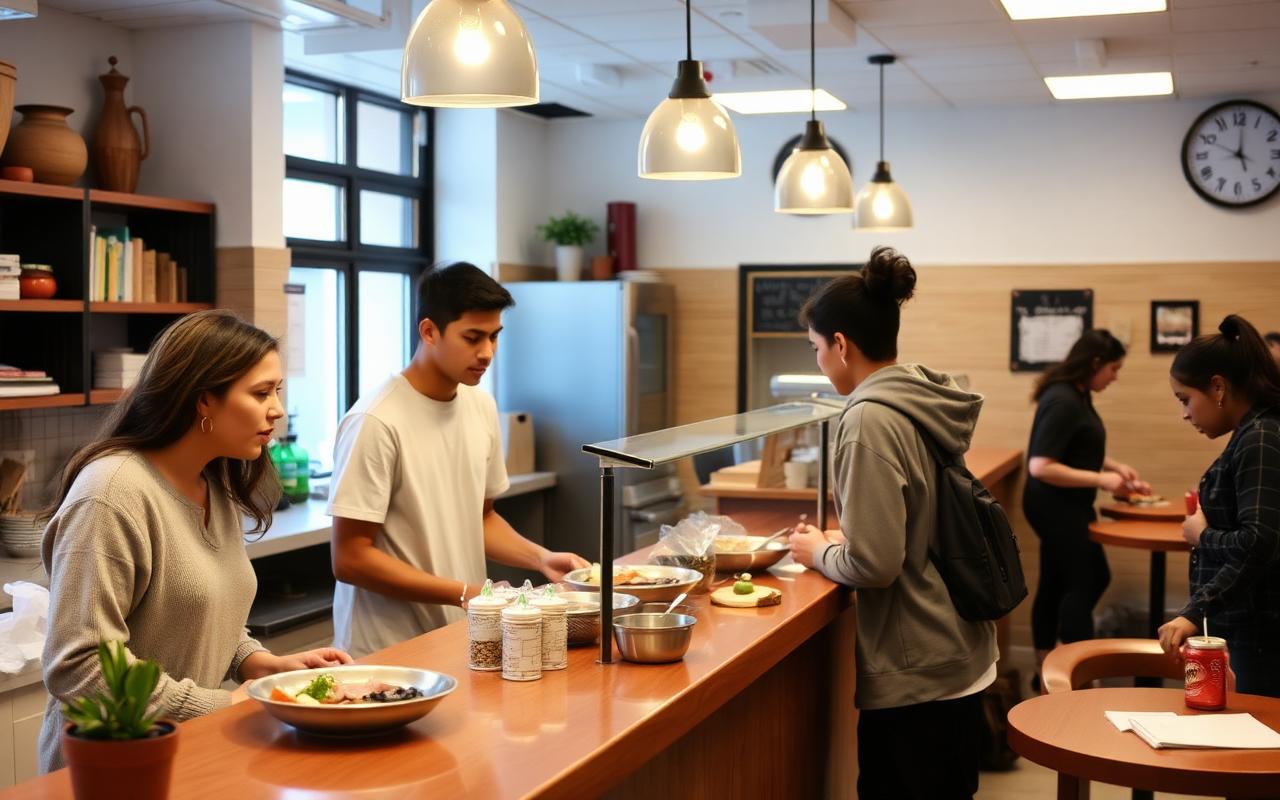
Student-run gathering space that builds responsibility and operations skills.
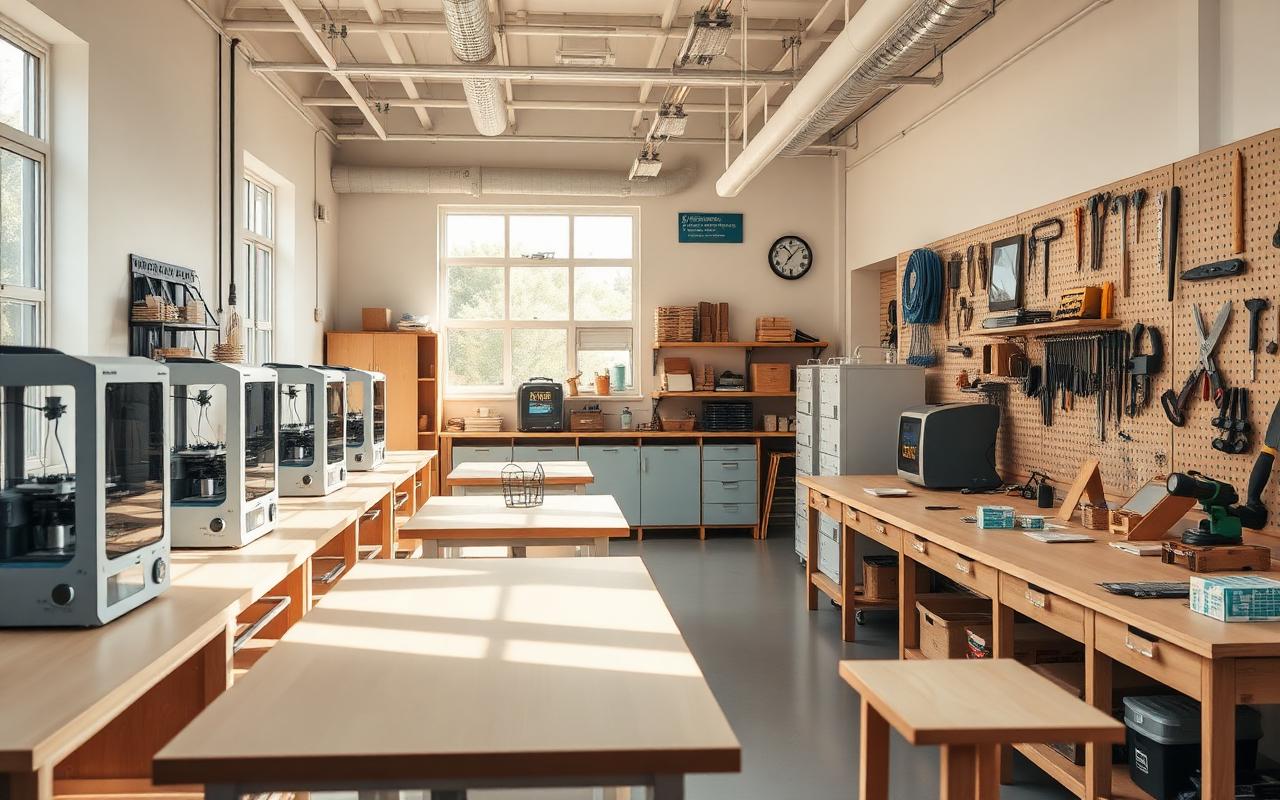
Design, build, prototype — applied learning across disciplines.
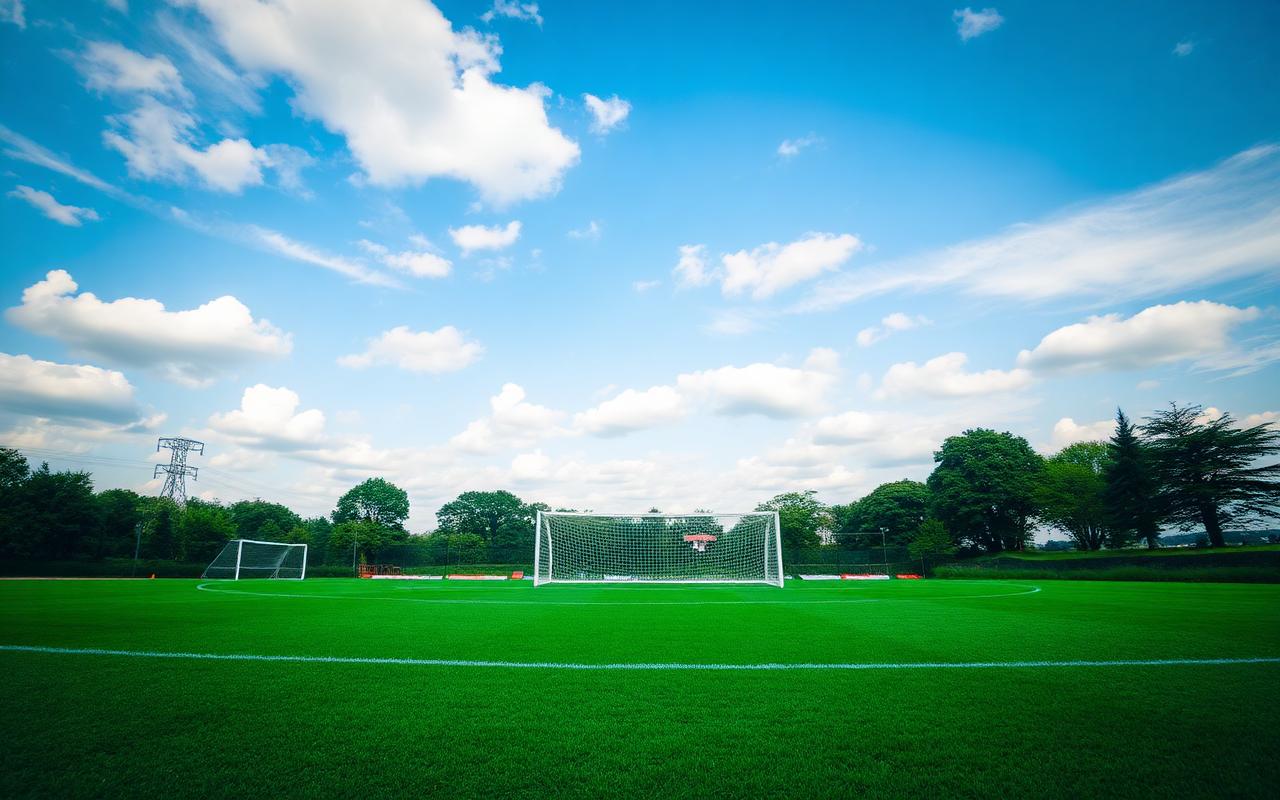
Seasonal sports that build teamwork, health, and resilience.
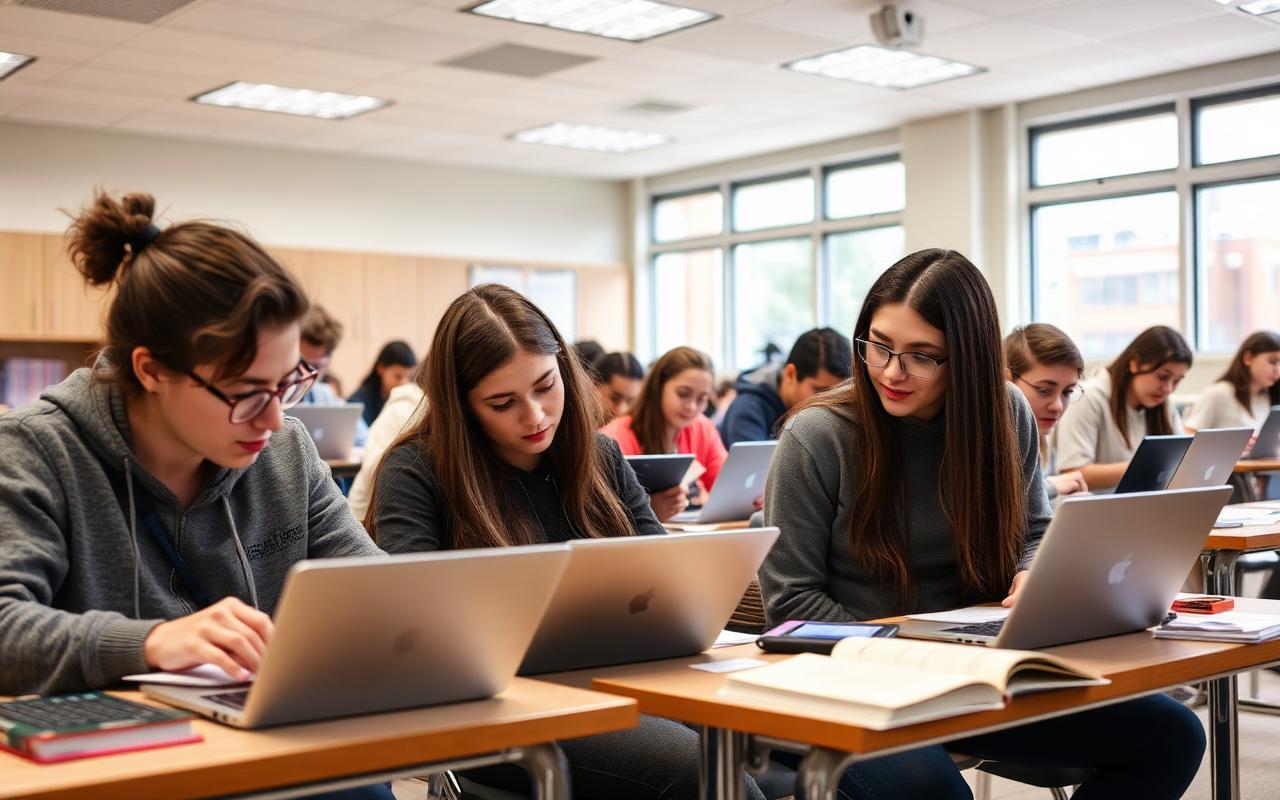
College-level coursework that builds rigor and confidence.
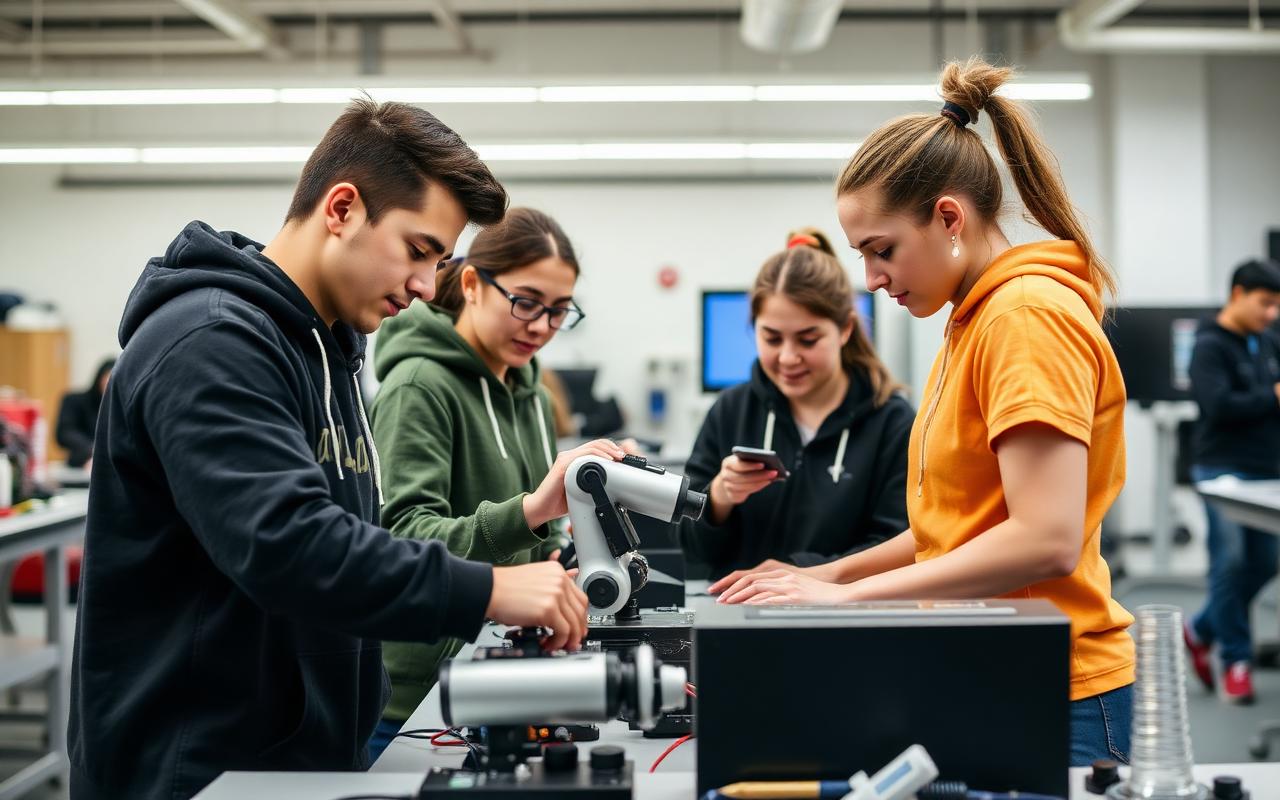
Career and technical pathways that prepare students for what comes next.
You belong here. Families are partners in the work of learning.
Every student keeps a portfolio of their work, with 5-day check-ins and 10-day rubrics uploaded so parents can see exactly where their child is on the path to mastery. All standards for the quarter are shared at the start, as downloadable PDFs, so families can follow along, know what their student is working on, and support learning at home. We also offer free classes for parents who want practical tools for working with their kids in academic settings — to help end the yelling, nighttime fights, and meltdowns.
Parents and guardians are invited to volunteer on a scheduled basis alongside our teachers and staff. We also offer free classes for parents, teaching skills to support students with ADHD, Autism, Dyslexia, Dysgraphia, Anxiety, and Depression.
PFAL will work with families to support safe, reliable transportation through carpool coordination, community connections, and flexible planning as the school grows.
PFAL is a free public charter school. Enrollment opens before each school year.
Add your family to receive updates and early enrollment notices.
Meet our team and learn how PFAL works.
A short application secures your family's spot in the process.
Onboarding designed to set students and families up for success.
Opening Grades: 1–10
Location: central-east Midvale, Utah (near ZIP 84047)
Tuition: Free — PFAL is a public charter school
PFAL is built with and for the Midvale community.
PFAL is building partnerships with universities and educator preparation programs to support teacher development, student teaching opportunities, and ongoing professional learning.
Middle and high school students will have opportunities to explore career-connected learning through internships, mentorships, and community partnerships.
PFAL's Governing Board includes community-minded leaders dedicated to transparency, student success, and long-term investment in the Midvale community.
From family nights to information sessions and student showcases, PFAL is committed to creating meaningful opportunities for connection throughout the year.
As our facility process moves forward through state approval and development, families will be able to follow updates on campus planning and construction progress.
We welcome family and community volunteers who want to support students, classrooms, and school events. Volunteer orientation and training will be provided prior to participation.
Reach out about enrollment, partnerships, or working at PFAL.